Introduction
When it comes to maintaining your home, one often overlooked aspect is the chimney. A well-functioning chimney is vital for ensuring that your fireplace operates safely and efficiently. In Houston, where the climate can be humid and unpredictable, regular chimney inspections are crucial. Not only do they help prevent potential hazards, but they also ensure that your fireplace provides warmth during those chilly winter nights.
This article will delve into the common chimney problems found during inspections in Houston, exploring everything from creosote buildup to structural issues. We’ll also discuss the importance of regular fireplace inspections and how they can save you both time and money in the long run. So grab a cup of coffee, settle in, and let's explore this essential topic!
Common Chimney Problems Found During Inspections in Houston
During a typical chimney inspection, homeowners may encounter various issues that could affect their safety and comfort. Below we will highlight some of these common problems:
1. Creosote Buildup: A Silent Threat
Creosote is a tar-like substance that accumulates inside the chimney when wood burns incompletely. This material is highly flammable and poses a significant risk if not removed regularly.
- Signs You Need to Inspect Your Chimney: Dark stains or soot marks on the walls near the fireplace A strong odor emanating from the chimney Smoke backing up into your home
What Is Creosote?
Creosote develops due to incomplete combustion of wood fuel and varies in consistency from flaky soot to hard glaze. Regular fireplace inspections in Houston can identify creosote buildup before it becomes a fire hazard.
2. Damaged Flue Liners: Protecting Your Home
The flue liner protects your chimney walls from heat and corrosion while directing smoke outside. If this liner gets damaged or cracked, dangerous gases can seep into your home.
Signs of Flue Damage
- Unusual odors Crumbling mortar or brickwork Visible cracks in the liner
3. Blockages: The Hidden Dangers
Blockages can occur due to animal nests, debris from trees, or even leftover creosote. These obstructions can prevent smoke from escaping properly.
How to Spot Blockages?
- Increased smoke within your home during use A noticeable decrease in draft
Regularly asking yourself questions like “Is my chimney clear?” can lead you to schedule necessary inspections sooner rather than later.
4. Structural Damage: Signs of Wear and Tear
Houston's weather can take a toll on chimneys over time. From heavy rains to high winds, structural damage is often inevitable.
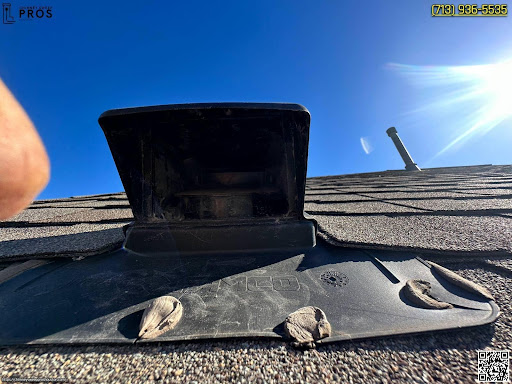
Indicators of Structural Issues
- Cracks in bricks or mortar joints Leaning chimneys Loose or missing bricks
5. Water Damage: The Silent Erosion
Water infiltration is a common problem for chimneys exposed to harsh weather conditions. It leads to erosion of brickwork and rusting metal components.
Detecting Water Damage
Be on the lookout for:

- Stains on walls near the chimney Crumbling masonry Rusty metal components
6. Improper Slope: The Importance of Design
A poorly designed chimney slope can lead to water pooling at its base instead of draining away effectively.
Solution for Poor Slope Issues
Consult with a professional inspector who specializes in design flaws during a comprehensive chimney inspection near me search.
Importance of Regular Fireplace Inspections in Houston
Regular fireplace inspections are more than just routine maintenance; they're essential for ensuring safety and efficiency when using your home’s heating system.
Why Schedule Regular Inspections?
Safety First: Prevent potential fires by identifying hazards early. Increased Efficiency: An inspected chimney operates more efficiently. Peace of Mind: Knowing that your chimney is in good condition allows you to enjoy cozy fires without worry.How Often Should You Inspect?
Experts recommend scheduling an annual inspection for most homes, especially if you use your fireplace regularly during colder months.
FAQs about Chimney Inspection
1. What does a chimney inspection involve?
A standard inspection includes checking for creosote buildup, structural integrity, blockages, flue liner condition, and overall functionality.

2. How do I find a reliable fireplace inspector near me?
Look for certified professionals with positive reviews online chimney inspection near me or ask friends for recommendations.
3. How much does a chimney inspection cost?
Costs vary based on location and inspector experience but typically range from $100-$300.
4. Can I inspect my own chimney?
While DIY checks are possible, hiring a professional ensures thoroughness and safety—especially regarding creosote removal.
5. What are signs I need immediate repairs?
If you notice smoke entering your living space or visible damage like cracks or leaning structures, contact an expert immediately!
6. What happens if I ignore inspections?
Ignoring regular checks can lead to severe safety hazards like fires or carbon monoxide poisoning—definitely not worth risking!
Conclusion
Understanding the common chimney problems found during inspections in Houston empowers homeowners with knowledge critical for maintaining safety and efficiency within their homes' heating systems. From addressing issues like creosote buildup to recognizing signs of water damage, frequent assessments through professional services ensure that you are well-protected against potential hazards associated with fireplaces.
So don’t wait! If you haven’t scheduled your next chimney inspection, now’s the perfect time! After all, peace of mind while enjoying warmth should always be a priority!
Whether it’s finding an expert fireplace inspector nearby or simply getting that overdue check-up done on your beloved hearth—taking action today keeps tomorrow's worries at bay!